
Rewilding Portugal ended 2025 with very positive results in its nature tourism sector, further establishing this market as a strategic pillar of its operations and for the revitalisation of the Greater Côa Valley region.
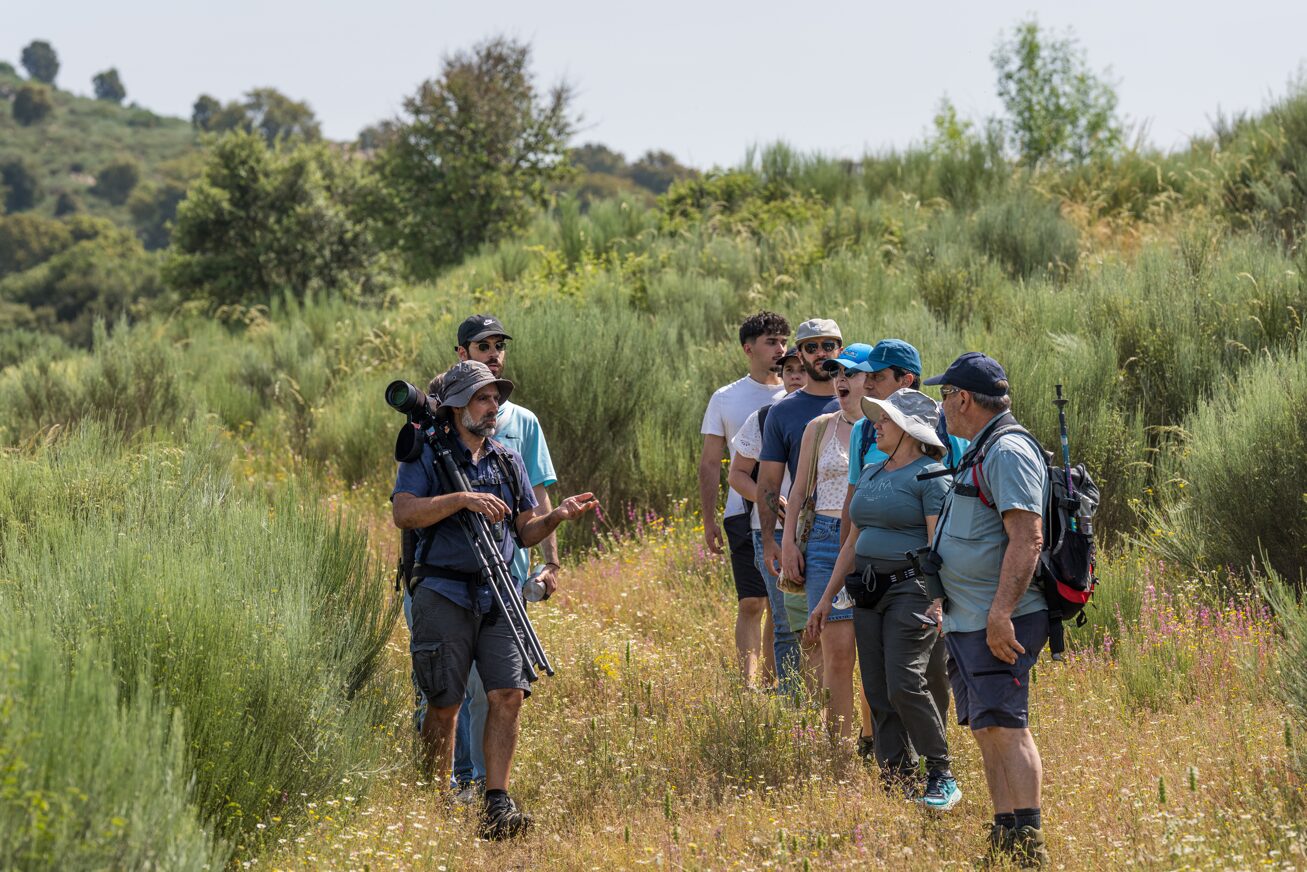
Over the course of the year, 35 tourism experiences took place, attracting more than 300 people to the area and generating total revenue of over 45,000 euros for the year as a whole. These figures represent all-time highs to date and demonstrate the growing maturity of the offering developed in partnership with the Wild Côa Network, as well as the increasing appeal that rewilding experiences are gaining in the market.
April and July stood out as the months with the highest demand, confirming the strong trend during the spring-summer period for immersive nature experiences. The average length of stay was 2.3 nights, indicating that visitors are seeking short but immersive stays, focused on exploring the area. In terms of nationalities, 63 per cent of participants were Portuguese, underlining the importance of the domestic market, whilst there was also significant demand from the United Kingdom, the Netherlands, Spain and Belgium. Clear trends also emerge at a socio-demographic level: 73.9% of visitors are over 50 years old, a typical profile for nature tourists, associated with greater financial and time availability and, of course, an interest in transformative and impactful experiences. The overwhelming majority have a university degree (91.3%).
Social media is the leading channel for attracting visitors (30.4 per cent), followed by direct recommendations (26.1 per cent), demonstrating the power of ‘word of mouth’ and the importance of the quality of the experience. It is worth noting that around half of the visitors had never previously been to the Greater Côa Valley, which demonstrates the capacity of rewilding to attract new audiences to the area and generate a direct regional impact.
It is also essential to monitor visitors’ satisfaction with their experiences, which is the primary objective of any tour operator. The results are extremely positive, although there is always room to improve what is on offer. 100 per cent of visitors said they enjoyed the experience and 76.5 per cent even rated it as the highest level of satisfaction. There was also a consensus amongst all visitors that the experience had succeeded in raising awareness of rewilding, which leads to yet another round figure: 100 per cent would recommend the experience they had to others.
The most memorable moments mentioned by our visitors include sightings of large herbivores in the wild, direct contact with the rewilding areas, getting to know the partners of the Wild Côa Network, and observing wildlife they do not usually see, as well as the strong sense of appreciation for the local communities that they feel at every moment.
The results demonstrate that nature tourism, when aligned with principles of conservation and local development, can generate positive economic, social and environmental impacts. Rewilding is also a driving force for territorial regeneration and for engaging people with nature.