
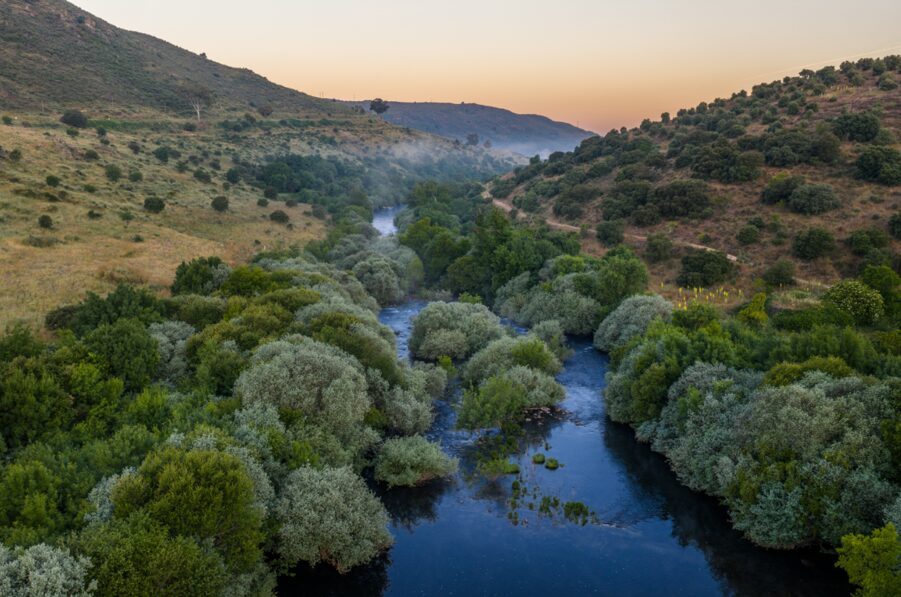
A river is not merely a watercourse. It is a living, constantly changing system that connects landscapes, transports sediment, sustains biodiversity and has shaped the human cultures living around it for thousands of years. To truly fulfil this role in a functional way, a river must be free. In Portugal, the vast majority of rivers are fragmented by artificial barriers that disrupt this continuity. The River Côa is a prime example of this reality, but also a symbol of hope for its restoration.
The importance of free rivers
River connectivity is essential for the proper functioning of aquatic ecosystems. Barriers such as weirs, sluices or small dams, even when seemingly modest, have profound and cumulative impacts. They disrupt fish migration, alter natural flow regimes, trap sediment, degrade habitats and reduce the resilience of rivers to climate change.
In a Mediterranean context, characterised by prolonged periods of drought and increasingly frequent extreme events, fragmented rivers are becoming less and less capable of sustaining biodiversity and ecosystem services. By contrast, free-flowing rivers tend to be more resilient: they maintain refuge zones, renew habitats, support healthy ecosystems in their surroundings and provide direct benefits to local communities.
Côa river: nature, culture and connectivity
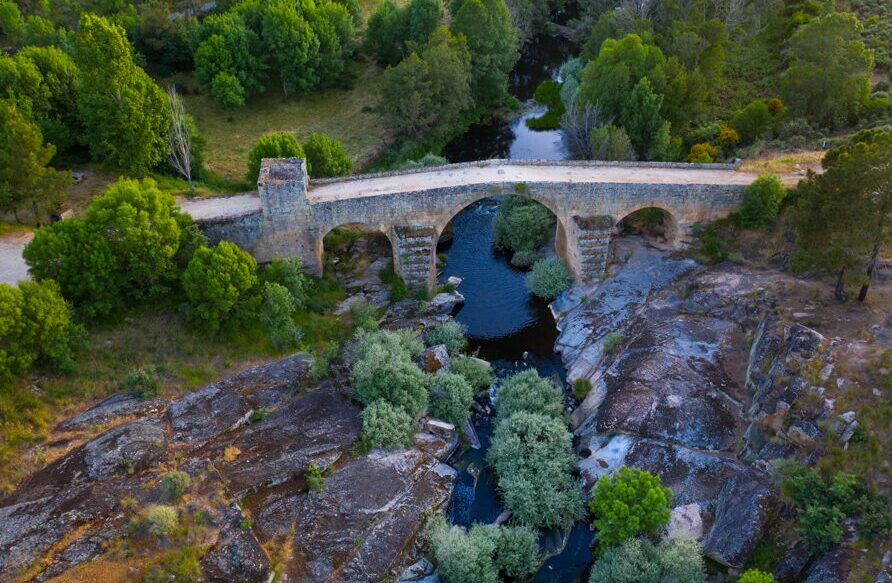
The River Côa occupies a unique place in this landscape, lending its name to the entire valley. It flows through the Greater Côa Valley, a region of great ecological, cultural and symbolic value. Its banks are home to one of the world’s most important collections of open-air rock art, bearing witness to a deep relationship between humankind and the river that has spanned millennia. This relationship remains alive and evolving to this day.
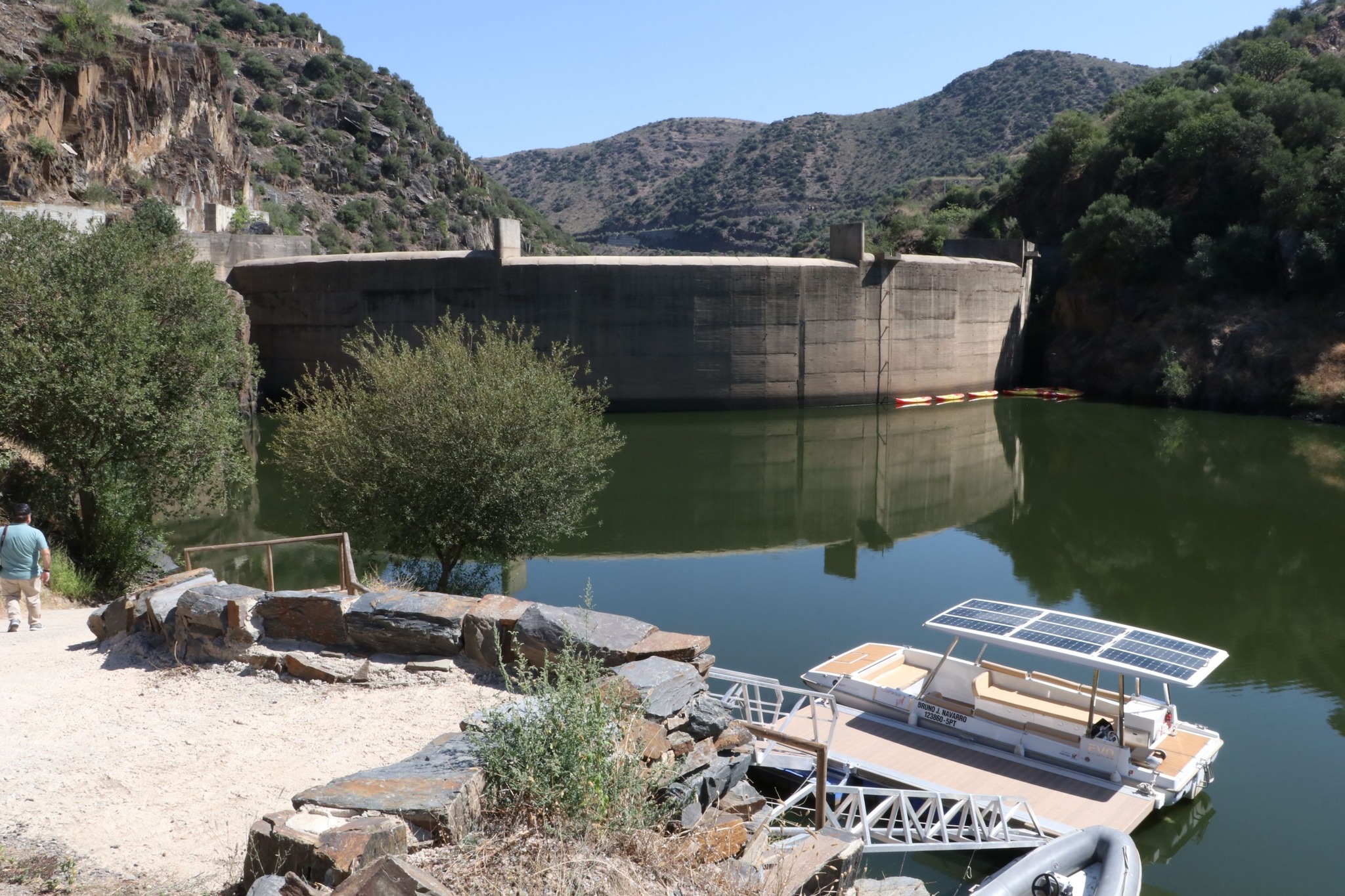
However, this relationship between the river and human and wildlife communities has been progressively undermined. Along its course, there are several obsolete structures that no longer serve any useful purpose, yet continue to fragment the river. These barriers disrupt the longitudinal connectivity of the River Côa, hinder the migration of native fish species, alter sediment dynamics and contribute to the degradation of aquatic habitats. Furthermore, by creating areas of stagnant water, these structures cause the rock engravings to be periodically flooded, accelerating the degradation of a cultural heritage of incalculable value.
A protocol to giveback freedom to the river
In 2023, Rewilding Portugal signed a memorandum of understanding with the Portuguese Environment Agency (APA) and the Côa Parque Foundation with a clear objective: to assess and facilitate the removal of the cofferdams from the River Côa – temporary structures built to create a dam, which fortunately was never completed, but which left these structures behind, never having been removed. This memorandum marked the start of an ambitious river restoration process, based on scientific evidence, institutional collaboration and community involvement, which is currently on hold but is expected to move forward.
In 2024, the technical and preliminary reports were presented, pointing to unequivocal benefits from the removal of the structures. From an environmental perspective, the restoration of connectivity will allow fish migration, the recovery of habitats and an overall improvement in the river’s ecological functioning. From a cultural perspective, it will reduce the submersion of the rock engravings, contributing to their long-term preservation. The studies also demonstrate that removal is logistically feasible, although technically demanding and financially costly. It is a complex intervention, but one underpinned by solid data and a long-term vision for the region.
The organisations involved are currently working to identify sources of funding that will enable them to move on to the implementation phase. The APA has reiterated its desire to see the project come to fruition, and Rewilding Portugal is committed to doing everything in its power to push for its inclusion in future State Budgets and other national and European funding streams, so that it can become a reality in the near future.
A river with a social mandate to be restored
Alongside its technical work, Rewilding Portugal has, over the past year, carried out an extensive public engagement process in the region. Participatory sessions were held in five municipalities, involving local authorities, farmers, riverside landowners, local associations, tour operators and members of the public. The results are encouraging. Local communities demonstrate a very strong emotional, cultural and identity-based connection to the river. The Côa is remembered as a place for leisure, childhood memories and contact with nature, but also as a living heritage, with a variety of traditional uses.
At the same time, there is a widespread perception that the river is only ‘partially healthy’. Water pollution, the degradation of riparian vegetation, fragmentation caused by barriers and the loss of biodiversity are cited as key problems. The need to restore river connectivity consistently emerges as one of the community’s own priorities. This undoubtedly constitutes a social mandate for the restoration of this river: the majority of participants confirm that they wish to see the Côa River restored, in order to improve quality of life and enhance the value of the area, including from a tourism perspective. Over 70 per cent of respondents expressed a willingness to participate in future initiatives, and over 80 per cent showed an interest in receiving further information. This willingness reveals a rare and precious situation: a river that wants to flow freely once more, supported by those who live alongside it every day.
Restoring the Côa to the landscape — and the landscape to the Côa
Restoring a river is not simply a matter of removing a structure or a set of structures. It is a process that reconnects nature, culture and communities. In the case of the Côa, restoring river continuity means allowing natural processes to reshape the landscape once more, enabling species to resume their cycles, and ensuring that the cultural heritage that defines our identity is protected for the long term. Free-flowing rivers are essential allies in a future that is likely to be marked by water scarcity and the effects of climate change. The Côa can become a national benchmark, serving as a living laboratory for participatory river restoration, where science, public policy and communities work hand in hand.