Côa Rock Engravings: Memories of a Wild Landscape

Côa Rock Engravings: Memories of a Wild Landscape

A story spanning thousands of years between people and wildlife

Long before the Greater Côa Valley became the international reference for nature conservation and restoration that it is today, these landscapes already bore witness to a deep relationship between humans and wildlife.

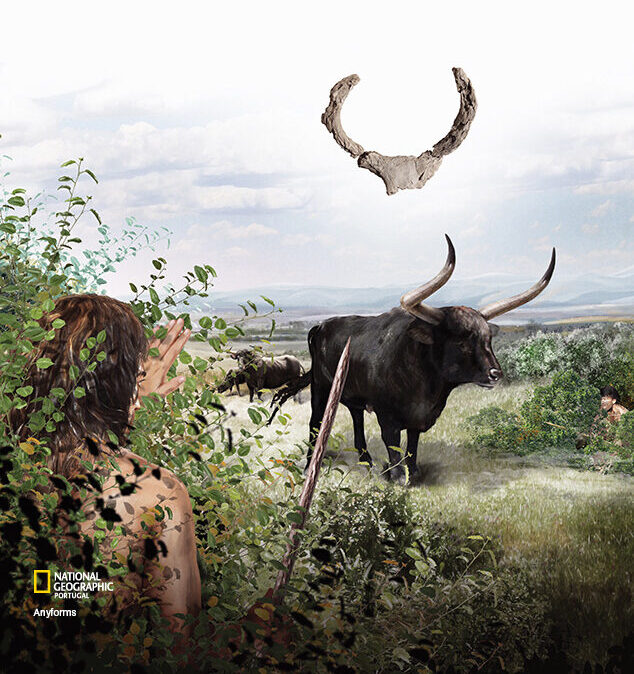
Along the banks of the Côa River, thousands of figures engraved into rock preserve the memory of a world inhabited by large animals. Wild horses, aurochs — the wild ancestors of domestic cattle — deer and ibex were depicted by Palaeolithic communities, who left behind one of the world’s most extraordinary collections of open-air rock art in this landscape.

These images are much more than artistic expressions of a distant past. They bear witness to an ancient relationship between people, animals and the land, inviting us to look at nature not only as it is today, but also through the ecological history that has shaped it. A history of coexistence, marked by advances and retreats.
What do the engravings tell us?

The engravings of the Greater Côa Valley depict some of the large animals that inhabited the Iberian Peninsula in prehistoric times, including horses, wild bovines, deer and wild goats. For the human communities of that time, these animals were part of their everyday, material and symbolic world. They were important presences in the landscapes they travelled through and observed, and their depictions reveal the attention paid to the animals’ shapes, movements and characteristics.

We do not know all the reasons why these communities engraved particular figures into the rock. The images may have held symbolic, social or spiritual meanings that we cannot fully reconstruct today. What we do know, however, is that Côa’s rock art provides exceptional evidence of how our ancestors related to the natural world.

Recognised as a UNESCO World Heritage Site in 1998, the Côa Valley rock art is celebrated for its artistic value and its importance in understanding the social, economic and spiritual lives of Palaeolithic communities.


A landscape shaped by wildlife

The animals depicted on the rocks remind us that Iberian landscapes were traversed by large wild herbivores for thousands of years. These animals were more than just part of the fauna.

Through their feeding habits, movements and interactions with vegetation, large herbivores helped shape ecosystems.

Grazing, browsing on shrubs and herbaceous plants, seed dispersal and the creation of small clearings helped create diverse landscapes in which different species could find food and shelter.

The presence of large herbivores also influenced relationships between species. Animals that died naturally or were preyed upon provided resources for scavengers and other organisms, contributing to the functioning of food webs.

Wildlife has a deep-rooted history in this territory and played an important role in shaping the landscapes experienced by human communities.

From the past to the present: the connection with rewilding

Rewilding seeks to restore nature by restoring natural processes, recovering wildlife and creating the conditions for ecosystems to function more autonomously. In the Greater Côa Valley, this vision includes, among other priorities, supporting the return of wildlife, restoring the ecological role of large herbivores and promoting more diverse, functional and resilient landscapes.

Over the centuries, changes in land use, persecution and the disappearance of large herbivores from many European regions have altered the functioning of numerous ecosystems. More recently, the abandonment of agricultural and pastoral activities in rural areas has contributed to changes in vegetation and the accumulation of combustible biomass in certain habitats.

Grazing by herbivores can help create a mosaic of vegetation, support biodiversity and contribute to better-prepared landscapes. It is in this context that the Côa engravings take on special significance for Rewilding Portugal: they remind us that large wild animals are part of this region’s natural and cultural history and help explain why their ecological role matters today and should be restored.

Imagining the future without forgetting the past

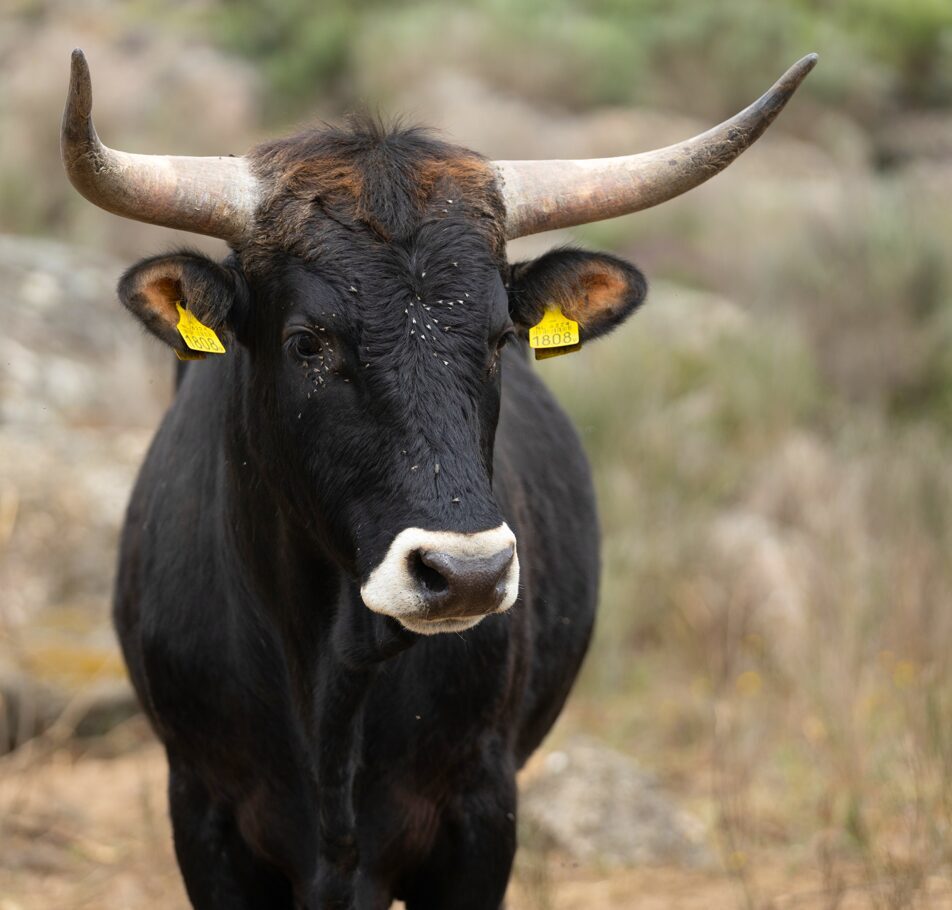
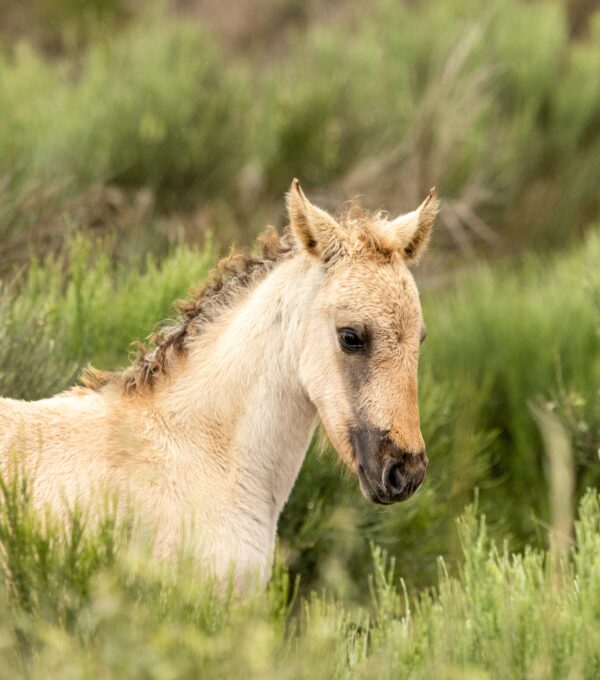
The rewilding vision for the Greater Côa Valley is not about recreating exactly the landscape that existed thousands of years ago. Ecosystems change over time, and today’s landscape is also the result of centuries of human presence and intervention. The presence of large herbivores, such as Sorraia horses and Tauros cattle used in natural grazing projects, can help create a more functional and complete landscape adapted to the present day.

These animals are not exact replicas of prehistoric fauna, but they can perform important ecological functions in today’s ecosystems.

The Côa rock engravings are a cultural heritage of universal value. They preserve images of animals that profoundly shaped human experience and remind us that our history has never been separate from the history of nature.

Viewing them through the lens of rewilding means recognising that cultural heritage and ecological restoration can enrich one another: one helps us understand the long-standing relationship between people and wildlife; the other seeks to create the conditions for that relationship to continue evolving in a more diverse, functional and resilient landscape.

These marks engraved in the past offer a window into history and an invitation to think about the future of a landscape where nature, culture and human communities remain deeply connected.

Discover Rewilding Portugal’s work in the Greater Côa Valley and learn how we are contributing to the return of wildlife and the recovery of natural processes.

Visit the rock engravings with us

You can visit the rock engravings with a specialised, certified guide who will directly connect the story of the engravings with the rewilding vision and the work being carried out in the region


  • This field is for validation purposes and should be left unchanged.