

The energy transition is now an unavoidable priority on a global scale and has been identified as an urgent solution to the current climate challenges. In the face of climate change, dependence on fossil fuels and energy instability in an increasingly volatile world, it is only natural that renewable energy should emerge as an essential solution for reducing carbon emissions and building a more resilient future with reduced energy dependence, including between countries. However, as this transition progresses rapidly – and often without adequate oversight, driven by economic interests that dictate investment markets – it is becoming increasingly clear that ‘green’ energy is not automatically sustainable energy, or even ‘green’ in the true sense of the word, at least on its own.
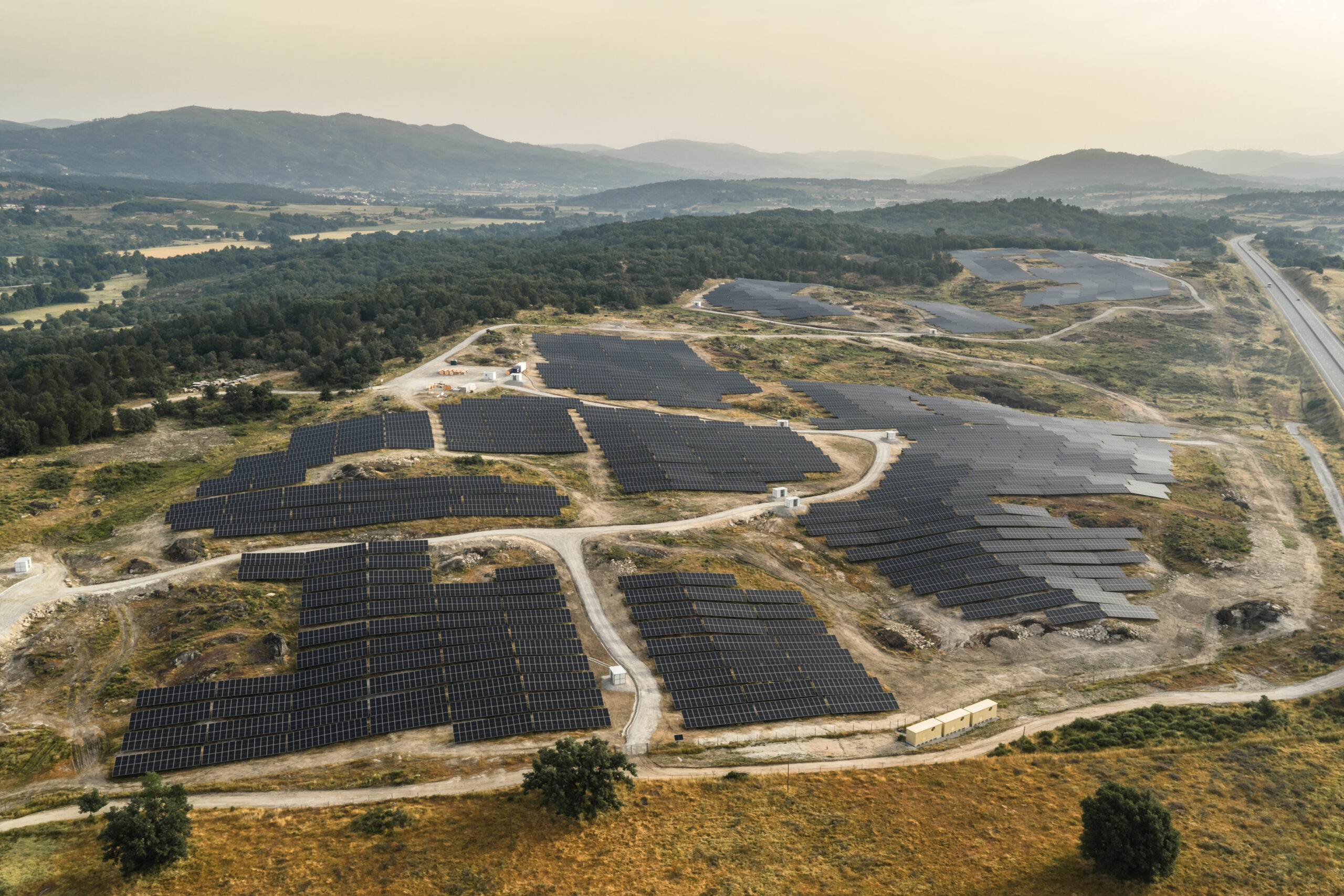
An energy transition that ignores biodiversity risks solving one problem only to create another in its wake — one that is just as serious and, in many cases, irreversible. Whilst tackling climate change is urgent, the protection of nature cannot be treated as acceptable collateral damage.
Biodiversity: the invisible foundation of sustainable land management
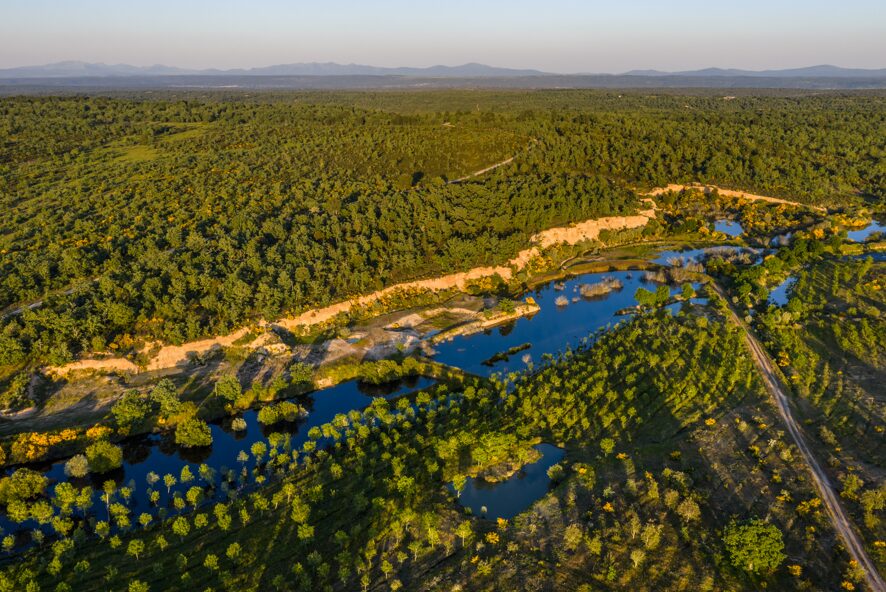
Biodiversity sustains ecosystems and the functionality of landscapes, on which human societies also depend; these societies are, of course, also an integral part of the landscape, shaping it through their daily activities. Biodiversity regulates the climate, protects soils, ensures the availability and natural retention of water in the landscape, promotes pollination, and guarantees the resilience of territories in the face of extreme factors that are natural but exacerbated by climate change. Nature has always been prepared to respond to phenomena such as these, before being stripped of that very capacity.
The loss of biodiversity, which has been occurring at an ever-increasing rate and is, in fact, often considered irreversible – something to which rewilding provides a response and effective action beyond mere promises or cataclysmic stances of inaction – is not merely an ecological problem, but also an economic and social one, which must be addressed.
Any strategy for the sustainable development of a region – including the energy transition designed for that region – must therefore recognise biodiversity as a central pillar, rather than as a legislative obstacle or a set of constraints to be circumvented in the design and implementation of the project. Environmental Impact Assessments are not problems; they are guarantees of the minimum conditions required for a project to be feasible. The climate crisis and the biodiversity crisis are two sides of the same coin and require integrated responses.
Green Energy: when ‘green’ comes at too high a cost
It is undeniable that renewable energy plays a crucial role in reducing greenhouse gas emissions. Solar, wind and hydro power help to ease the climate-related pressure on ecosystems, which, in the long term, may also benefit biodiversity.
However, the way in which this infrastructure is planned and subsequently implemented on the ground makes all the difference. Large solar or wind farms can cover thousands of hectares, fragment habitats, destroy essential ecological corridors and put vulnerable species at risk. Power lines, access roads and other associated infrastructure further exacerbate these impacts. When the dominant criterion is merely the speed of implementation or immediate energy returns, nature becomes invisible in decision-making processes and is then regarded as nothing more than an obstacle to be overcome in order to secure approval.
A concrete example of this tension occurred in 2025 with the large-scale SOPHIA solar energy project, a specific case in the Beira Baixa region, where Rewilding Portugal spoke out against its implementation, precisely because it was promoting green energy whilst restricting and fragmenting all the ‘green’ areas around it. Presented as a significant contribution to the energy transition, this project involves the occupation of thousands of hectares of land in a landscape of high ecological value. The affected area includes important habitats, sensitive species and zones that are vital for ecological connectivity. In this context, the project raises a fundamental question: can an energy solution be considered truly green when it entails the significant destruction of the biodiversity that sustains and protects the land? Unfortunately, this case is not an isolated exception, but rather a reflection of a global challenge: the lack of effective integration between energy policies and ecological restoration.

A green approach that is both effective and inclusive
For renewable energy to be truly sustainable, a more strategic and responsible approach is needed. This involves adopting spatial planning based on ecological criteria, identifying areas of low biodiversity value as priorities for energy infrastructure, whilst excluding areas of high ecological value and high levels of biodiversity. It therefore also means excluding areas of ecological connectivity, ensuring that habitats and natural wildlife corridors are not fragmented.
Environmental impact assessments must also be increasingly rigorous and transparent, carried out from the earliest stages of projects, and moving away from the perception that they are merely administrative exercises to be ticked off at an early stage. Consistency is required: there are energy targets and ecological restoration targets, and achieving some must not mean failing to meet the others.
The energy transition need not be carried out at the expense of biodiversity. On the contrary, when well planned, it can strengthen the resilience of regions, enhance natural landscapes and create truly sustainable solutions. To label projects that irreversibly damage nature as ‘green energy’ is to strip the concepts of ‘green’ and sustainability of their deepest meaning. The energy transition is urgent — but it cannot be carried out blindly. Without biodiversity, there is no sustainability. And without sustainability, there is certainly no future.