
In 2025, the Wild Côa Network reaffirmed its position as one of the most significant projects in the Greater Côa Valley region in recent years, consolidating an ambitious vision: to transform nature conservation into a driving force for socio-economic development in this region. Promoted by Rewilding Portugal, the network currently brings together 64 companies, united by a shared vision for the future: to make the Greater Côa Valley “the wildest part of Portugal” and thereby boost its appeal.
A diverse yet united network
This network, comprising 64 different businesses, is divided into five major sectors: accommodation, local produce, tourism (nature, historical, etc.), catering and DMCs/travel agencies, and is represented in eleven municipalities across this vast territory. Representation remains highest in those municipalities where Rewilding Portugal operates most directly with rewilding areas or offices, namely Guarda, Sabugal and Pinhel, but there are other municipalities with dynamic businesses joining the project and gaining increasing prominence, such as Mêda.
This is the third year that an impact and satisfaction survey has been carried out, and it is precisely from this report that all these figures and metrics emerge, which are also published in a public report. At present, the network’s growing relevance in the market is evident, and this also stems from a communication potential that, taken together, becomes strong and significant: Rewilding Portugal has over 160,000 followers on its social media channels, and the network’s members collectively have over 250,000 followers as well, representing an audience of almost half a million followers who, in one way or another, have already heard of this project and who can help take it to the next level.
Measurable economic impact
Rewilding is appealing, particularly when combined with the inherent appeal of these businesses. In 2025, members of the Wild Côa Network and Rewilding Portugal welcomed over 85,000 visitors to the area. Indeed, more than half of these businesses recorded an increase in visitor numbers compared with the previous year, confirming a trend of sustained growth.
But rewilding must be more than just attractive: it must have a positive impact on the area where it takes place, thereby creating new opportunities that connect these businesses to a more vibrant, wild and recovering natural environment. One of the most telling figures is the growth in turnover generated directly through the network, with over 82,000 euros in turnover recorded – a 138 per cent increase compared with 2024. For a third of the members, this revenue would clearly be lower without membership of the network. Even more significantly, 94.3 per cent of members believe their business will still be operating in five years’ time. Without the network, this level of confidence among members drops to 48.1 per cent. This difference demonstrates the fundamental role of the Wild Côa Network in the economic viability of local businesses.
It is also a network that has an impact on the ability to create jobs and new career opportunities for those living in this area. Currently, members employ 168 full-time staff, contributing directly to talent retention and the region’s economic vitality.
Collaboration and capacity-building as central pillars
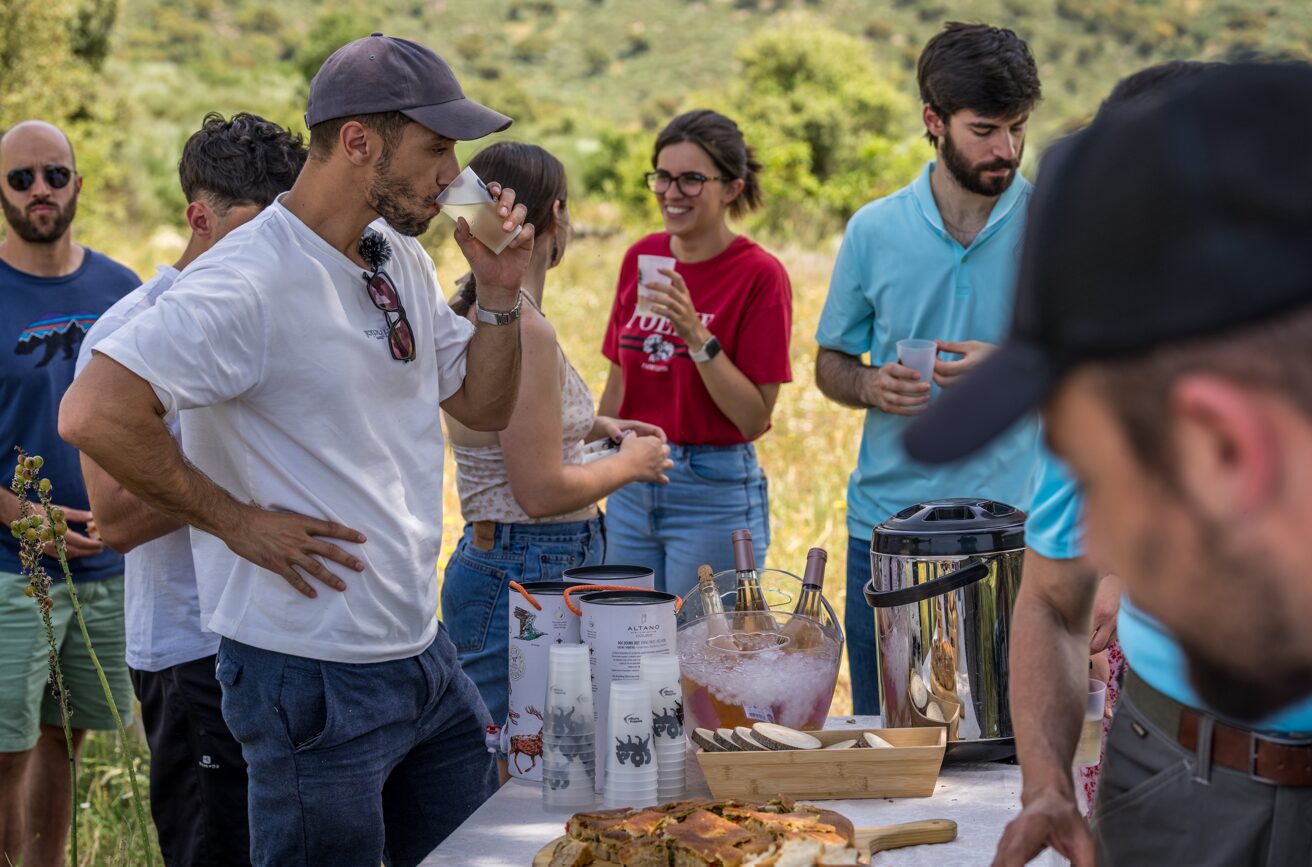
Collaboration remains one of the key strengths of this network. In 2025, 70 per cent of members collaborated directly with one another, with an average of between two and three partnerships per member. In total, 59 joint events and initiatives were recorded, involving both companies and Rewilding Portugal itself. The most common partnerships include the direct purchase of local products, the creation of combined tourist packages, the contracting of services between members, and shared marketing. This dynamic strengthens the circular economy and creates a genuine nature-based business ecosystem in this region.
Capacity-building was another key focus for 2025. Since the network’s inception in 2019/2020, more than a third of members have already taken part in training courses organised by the network, with the aim of exceeding 50 per cent by 2026. Most members acknowledge having acquired significant new skills since joining, notably in: rewilding and nature observation; networking and synergies; best practice in tourism experiences; and in-depth knowledge of the region.
Environmental and territorial impact
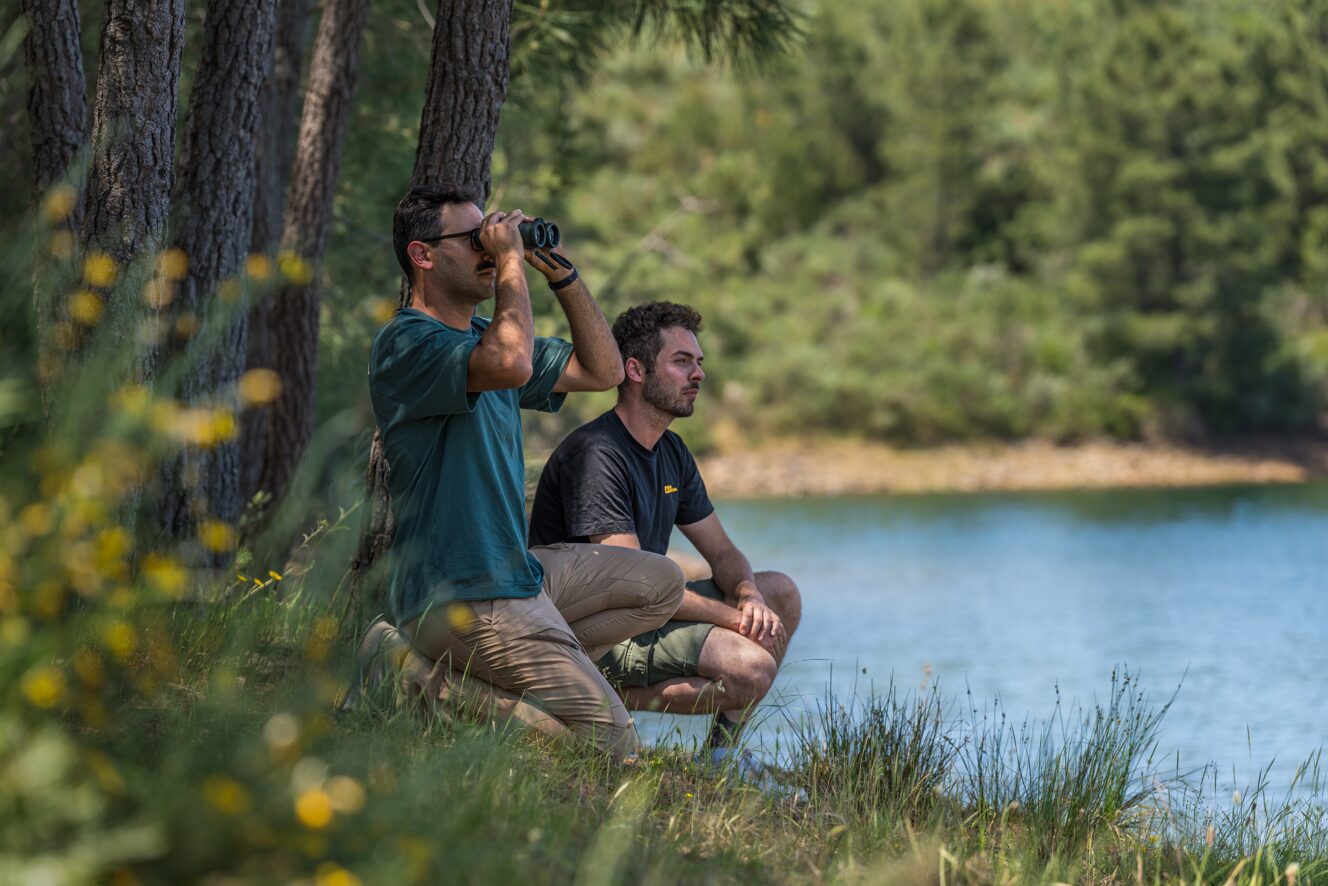
The network’s impact extends beyond economic figures, and this is also one of the key concerns that sets this project apart. For this very reason, over 94 per cent of members recognise that their businesses and their membership of the network contribute to positive coexistence with wildlife and to the restoration of habitats.
This is reflected in local communities, with almost all members noting an increase in local pride and in the perception of the area as a premier nature tourism destination thanks to this project. External promotion, participation in trade fairs, media coverage and the production of audiovisual content have reinforced this external recognition of a region with so much to offer.
In terms of sustainability, around 40 per cent of members had implemented new practices by 2025, such as: circularity and the use of local suppliers; reducing plastics and single-use items; saving water and energy; and actively communicating best practices to customers. Local circularity has become a strategic priority, reinforcing a more resilient economic model that is less dependent on external supply chains.
A replicable model of a nature-based economy
The Wild Côa Network demonstrates that it is possible to combine ecological restoration, tourism and local development within a coherent and mutually beneficial model. The growth in nature-based tourism, the strengthening of local partnerships, the increase in turnover and confidence in the future prove that this strategy is generating concrete and wide-ranging results.
A network that stands as a community of purpose: people and nature coexisting harmoniously and benefiting from their interdependence.