
An interview with Fernando Gil Teixeira, Director of Communications and Enterprise at Rewilding Portugal
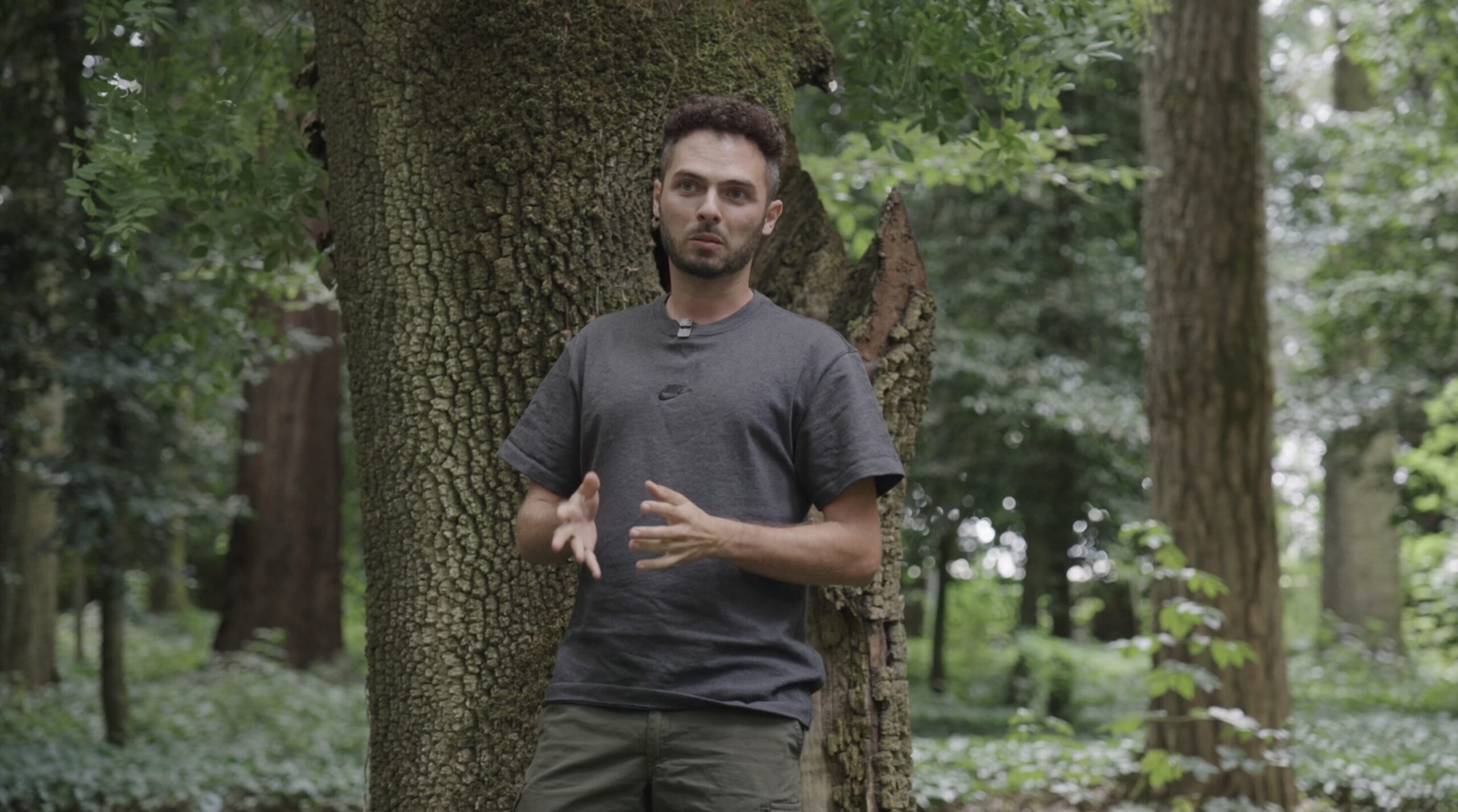
The Wild Côa Network today brings together 70 businesses from the Greater Côa Valley. Six years ago, it was no more than an idea. The person now leading the project is Fernando Gil Teixeira, Director of Communications and Enterprise at Rewilding Portugal and one of the people behind the Greater Côa Valley brand. We spoke with him about how the network took shape and the path that brought it this far, about why rewilding is not done with nature alone, and about what makes this territory the wildest side of Portugal.
Rewilding is, first and foremost, about nature conservation. Where do people come in?
Rewilding Portugal places great emphasis on a social element that other organisations have neglected over time. Usually, a nature conservation NGO arrives in a territory, carries out its nature project, delivers it in the field, and ends up never building a lasting bond with the local communities where it works. Rewilding, in general and also in Portugal, has devoted itself precisely to creating that positive and engaging bond. And what has made the difference, when entering these communities, often from scratch, is the ability to open doors and create opportunities, and to know how to convey that and support the process.
Why is the Greater Côa Valley the ideal territory for that?
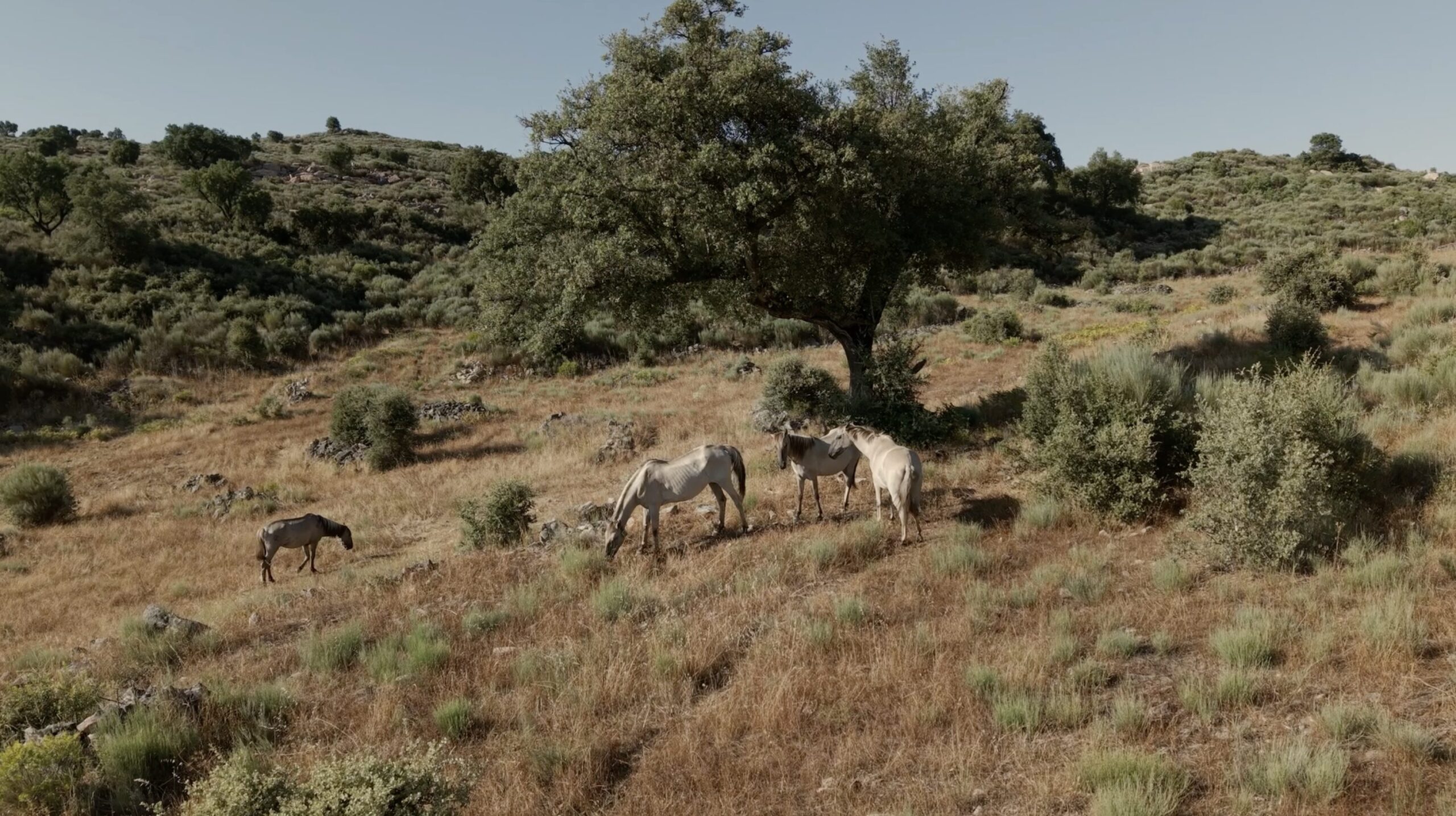
We often say the Greater Côa Valley is the ideal territory for rewilding, or one of them, because it is among those that suffered most from land abandonment in recent years in Portugal. That abandonment created space and gave nature the chance to return on its own. Nature has been doing that work, and we then give the final push. But there are still people who live in this landscape, and we want them to work with us on this project. They are the ones who have shaped it, often with non-intensive land-use methods that they still keep, and the Côa is a good example of that. We want them to stay, to keep working, often in new ways and with new offerings. Many nature-based businesses have been emerging, positive for nature and non-intensive, and it is on those that Rewilding Portugal has built this bridge with local entrepreneurs, both the newcomers and those who were already in this territory.
And that is where the Wild Côa Network is born…
Exactly. The Wild Côa Network came about six years ago, and it has matured and grown a great deal over the last two or three, when it came of age, so to speak, as did Rewilding Portugal itself. It followed the natural process of the organisation itself, which arrived in the territory, kept working, and began to see the first results over time. Today it brings together more than 70 businesses from very different sectors. It ranges from restaurants to accommodation, to guides, whether of nature or heritage, and to local producers, with endogenous products made for the most part organically and non-intensively.
Most of these businesses already existed. What was missing?
Most already existed. Of the 70, some 50 or more were already here in 2019 when we started, and the others came to the territory over the last few years. But for the most part they were not working together, they were disconnected. There was no entity, national, regional or local, managing to get them to work together in a way that transcends municipalities and treats the whole region as one. The value was already there, the value they give the landscape, the way they want to protect it and share it with those who visit. What was missing was the idea of working together to create a single offer. Someone who visits a territory often stays only one night, or not even that, if there is no integrated offer. And those who come to us from abroad, which happily is happening more and more, come on purpose to see the project Rewilding Portugal is developing on the ground, and only stay if there is a proposal for several days that brings all these strengths together.
How does Rewilding Portugal bring these people together and prepare them?
We took a territory that already had enough quality and quantity, and we began to enable people to work together, often combining integrated tourism experiences in a way that no one wanted to, or had dared to, put together. Each operator works their own niche, and they were not coordinated. We ensure that coordination. And then we work on a layer above it. Rewilding Portugal’s work is only recognised if it is visited and talked about, so we have to bring visitors and make sure that, throughout the days they spend here, they hear about the project in a positive way. For that, we all have to be in the same boat. Rewilding Portugal represents these members at national and international fairs, and it has invested heavily in training too. If the service already has quality, what is sometimes missing is just the final push, simple things like hospitality, social media or sustainability practices. No one is born knowing it all, and the visitor they receive today is far more demanding than the one before.
And does it work? Are there results to show for it?
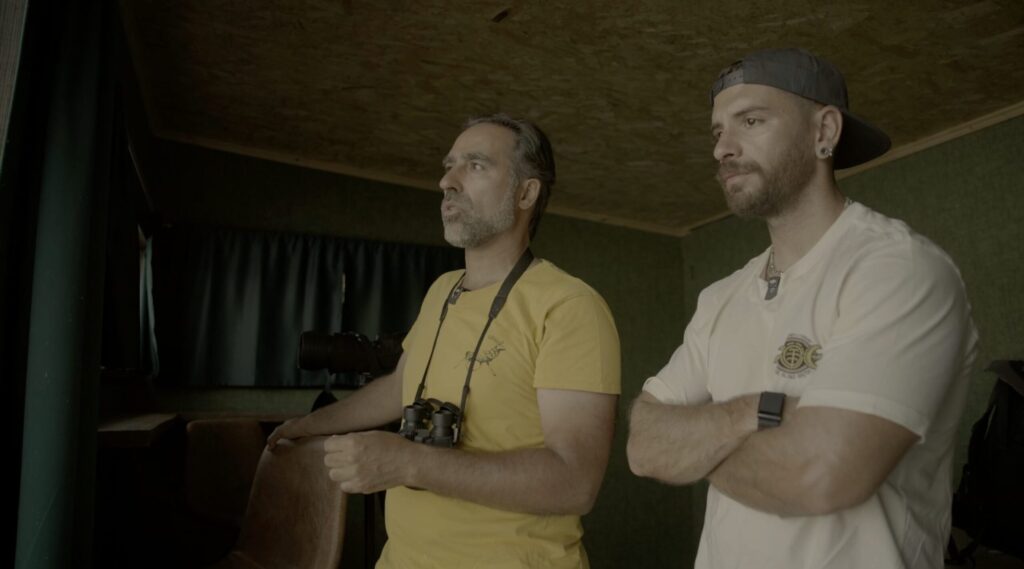
There are, and they are measurable. When we started, around 20% of members had already worked together. Today, close to 50% receive clients referred by other members. The circular economy based on nature works, and it is working. And in a single year, the flow of business that Rewilding channels directly to the network’s members already exceeds 80 thousand euros. This proves two things. That nature conservation and its visitation can be economically viable in their own right, without depending on external funding, which is our great goal for 2030, to make Rewilding Portugal as independent as possible from external funding and able to support itself with what it generates. And it proves that the territory had the capacity and the interest to be visited, something that was not yet being explored, and for which we have been bringing in the public.
Looking at all of this, what do you feel the Wild Côa Network represents?
For me, it is an integrative vision of the territory. Rewilding is a driver of tourism appeal, but it lacked a mechanism to make it work. Bringing together 70 businesses, getting them to work as one, creating joint visitation, training these people, and ensuring there is unity, even graphic unity, in the way the territory is promoted (which was often a problem too) was essential. We took entirely disconnected offers and gave them meaning. We promote the Greater Côa Valley as the wildest side of Portugal, and it is, right now, certainly one of the wildest we have. But this image only comes across if every operator in the territory believes in it as much as Rewilding Portugal does.
And the future?
The path is for Rewilding Portugal to depend less and less on external, volatile funding and to sustain itself with what it can generate, and this network is central to that. If those who visit the Côa understand the project, value it and share it, and if every business in the territory believes in this vision as much as we do, then we prove that restoring nature and living from it without impacting it negatively can be two things that go, and prosper, together. That is the proof we want to leave. Not only for the Greater Côa Valley, but for nature tourism and for Portugal.
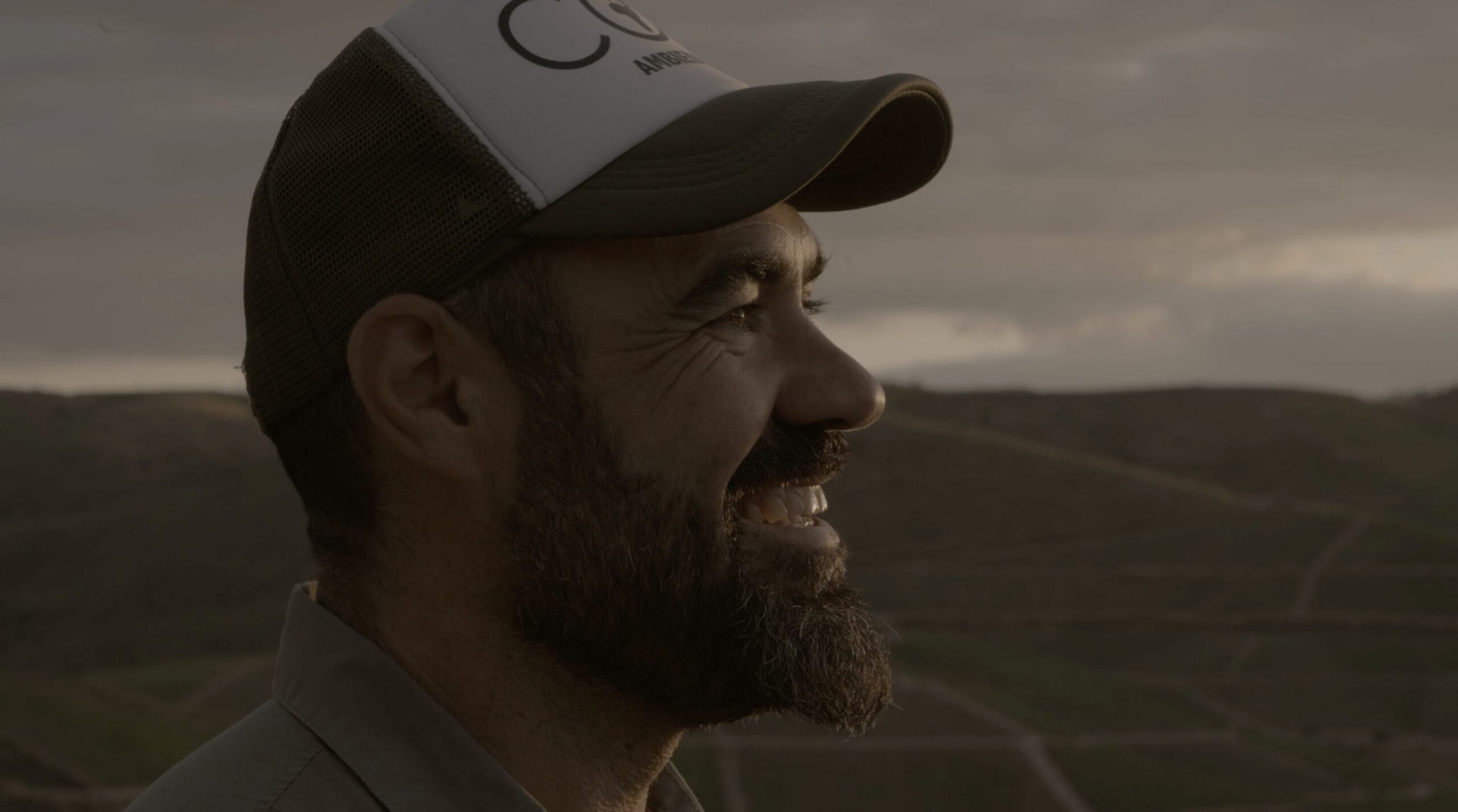
That, in essence, is the Wild Côa Network. Proof that the wildest side of Portugal can also be one of the most alive and most prosperous, when the people who live in it decide to build it together.
Interview and editing by Visit Greater Côa Valley.