

Twenty-three civil society organisations join forces to accelerate the restoration of Portuguese ecosystems and implement the European Nature Restoration Regulation.
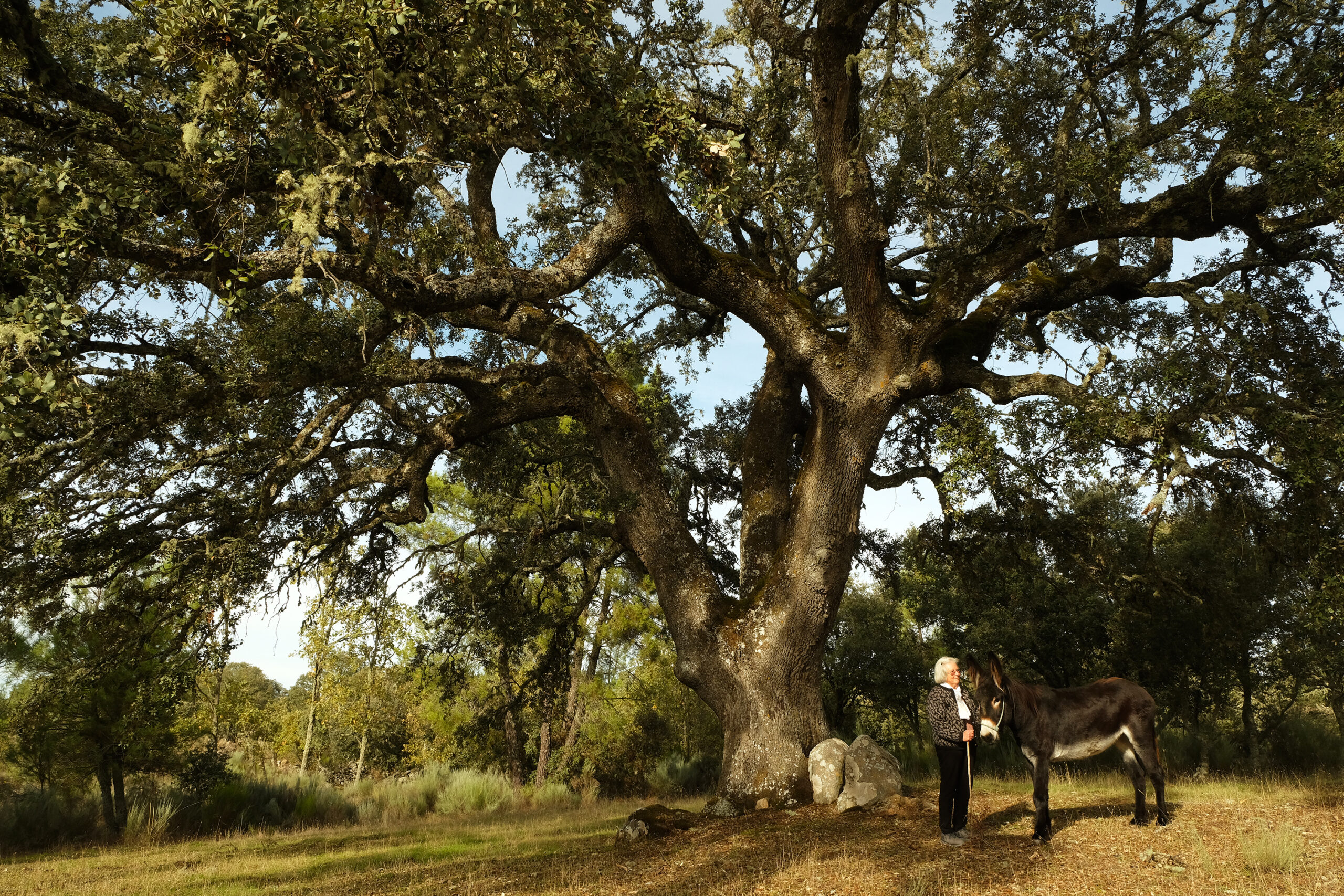
Portugal now has a collective and organised voice for ecological restoration. The National Ecological Restoration Alliance (ANRE), bringing together 23 non-governmental organisations working in nature conservation and land management, was formally established in September 2026, following several months of joint preparatory work.
ANRE comes into being at a decisive moment: the entry into force of the European Nature Restoration Regulation (EU 2024/1991) requires Portugal to develop and implement a National Nature Restoration Plan (PNRN), with binding targets for the restoration of terrestrial, marine and freshwater ecosystems by 2030, 2040 and 2050.
The national process is already underway, with an interministerial working group developing the plan — and civil society is determined to ensure that this historic opportunity is not wasted.
Ecological restoration is not an aspiration for the future — it is an obligation and an urgent necessity of the present. Nature is not something separate from us: the water we drink, the food we produce and the air we breathe all depend on functioning ecosystems. There are no healthy communities in degraded landscapes.
ANRE exists to bring people together and ensure that Portugal goes beyond the legal minimum, transforming this obligation into an opportunity to regenerate its landscapes, biodiversity and community resilience.
— Pedro Neto, Executive Director of SPEA BirdLife — the organisation chairing ANRE
What is ANRE?
The National Ecological Restoration Alliance is the first national platform dedicated to bringing together, coordinating and amplifying civil society efforts in the field of ecological restoration in Portugal.
It brings together organisations with diverse areas of expertise — biodiversity conservation, forest management, land stewardship, applied research and environmental communication — all sharing a common vision: a Portugal with healthy and resilient ecosystems, capable of supporting wildlife, human communities and climate balance.
ANRE’s founding members are committed to a broad definition of ecological restoration, grounded in the European Regulation and enriched by the principle of allowing natural processes to follow their own course — including rewilding, the active recovery of species and habitats, and the renaturalisation of rivers and coastlines.
The 23 founding organisations
ANRE brings together organisations of complementary sizes and profiles, operating throughout mainland Portugal and the islands (listed alphabetically):
- AEPGA – Associação para o Estudo e Proteção do Gado Asinino
- Almargem – Associação para a Defesa do Património Cultural e Ambiental do Algarve
- Associação ALDEIA
- Associação BioLiving
- Associação Mossy Earth
- Associação Vita Nativa – Conservação do Ambiente
- COREMA – Associação de Defesa do Património
- FAIA BRAVA – Associação de Conservação da Natureza
- FAPAS – Associação Portuguesa para a Conservação da Biodiversidade
- GEOTA – Grupo de Estudos de Ordenamento do Território e Ambiente
- GRUPO LOBO – Associação para a Conservação do Lobo e do seu Ecossistema
- LPN – Liga para a Proteção da Natureza
- Milvoz
- Ocean Alive
- Palombar – Conservação da Natureza e do Património Rural
- Quercus
- Rewilding Portugal – Associação Rewilding Iberia PT
- SCIAENA – Associação de Ciências Marinhas e Cooperação
- SPEA – Sociedade Portuguesa para o Estudo das Aves
- VERDE – Associação para a Conservação Integrada da Natureza
- Veredas da Estrela – Associação para o Futuro das Comunidades de Figueiró da Serra e Freixo da Serra
- WWF Portugal
- ZERO – Associação Sistema Terrestre Sustentável
Why now?
The European and national context calls for an organised and ambitious response:
The European Nature Restoration Regulation (2024/1991), in force since August 2024, is the most ambitious legal instrument in the history of European environmental policy, establishing binding restoration targets for all Member States.
Portugal submitted its National Nature Restoration Plan (PNRN) in June 2026, becoming one of the first five EU Member States to do so — a positive sign that must now be translated into concrete and properly funded action.
More than 70% of protected habitats in Portugal are in an unfavourable conservation status, according to the latest assessments under the Habitats Directive.
Portugal faces growing risks of desertification, soil loss and climate change, which are increasing pressure on its ecosystems — making investment in restoration an environmental, economic and social priority.
The country already has a significant network of organisations and projects dedicated to ecological restoration, but these efforts remain fragmented and lack strategic coordination. ANRE aims to address precisely this gap.
What will ANRE do?
The Alliance has defined four priority areas of action:
1. Advocacy and dialogue with public authorities
Regular engagement with the Institute for Nature Conservation and Forests, the Portuguese Environment Agency, the Ministry of Environment and Energy, the Directorate-General for Natural Resources, Safety and Maritime Services, and other relevant entities.
Monitoring and contributing to the development and implementation of the National Nature Restoration Plan (PNRN), as well as developing joint positions on legislation and public policies affecting restoration.
2. Knowledge sharing and best practices
The creation of thematic working groups among members; coordination with other networks and academic partners; and the compilation and dissemination of case studies and methodologies.
3. Communication and public awareness
Launching joint communications on relevant topics; establishing a coordinated presence in the media and on social networks; and promoting ecological restoration among the general public, the business sector and political decision-makers.
4. Capacity building and support for members
Training activities, webinars and field visits; sharing resources and contacts; and supporting applications for European and national funding.
ANRE will be publicly launched at the Biology and Society Seminar, organised by the Portuguese Order of Biologists, which will take place on 26 November in Évora.