

Vale Carapito rewilding area, in the municipality of Sabugal, has been recognised as a Private Protected Area (APP), making it only the fifth area in Portugal to be granted this conservation status. The decision marks a milestone for privately-led nature conservation in the country and for the development of rewilding as a tool for ecological restoration.
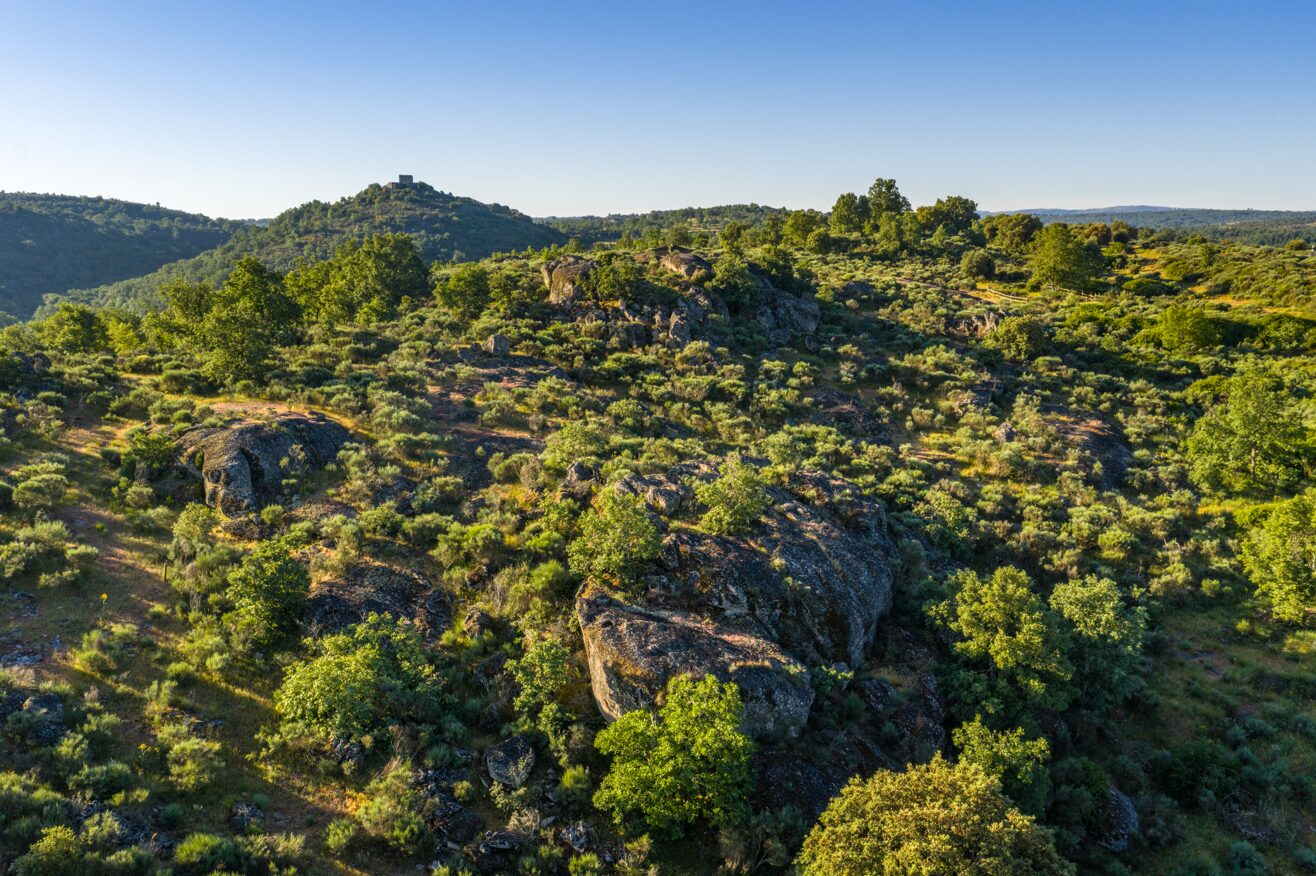
Vale Carapito rewilding area, located in Vilar Maior, in the municipality of Sabugal, has been recognised as a Private Protected Area (APP) and has now been incorporated into the National Network of Protected Areas. This is only the fifth area in Portugal to receive this classification, a status that officially recognises its value for nature conservation and ensures the long-term preservation of its natural assets.
A Private Protected Area is an area dedicated to nature conservation, owned by private individuals or organisations, and officially recognised by the State. Created on the voluntary initiative of the landowners, this scheme ensures the protection of biodiversity, fauna, flora and geological heritage, whilst the property remains privately owned. The designation also ensures that the area’s conservation status is maintained in the future, even in the event of a transfer of ownership, promoting sustainable management compatible with activities such as ecotourism or sustainable agriculture.
Vale Carapito was Rewilding Portugal’s first rewilding site, acquired in 2020 with the aim of demonstrating on the ground the potential of rewilding to recover ecosystems, restore natural processes and promote the return of wildlife to the region and its landscapes. Currently, the area designated as an APP comprises 48 contiguous hectares near Vilar Maior, situated within the Malcata Special Area of Conservation and in an area of great importance for the ecological connectivity of the Greater Côa Valley.
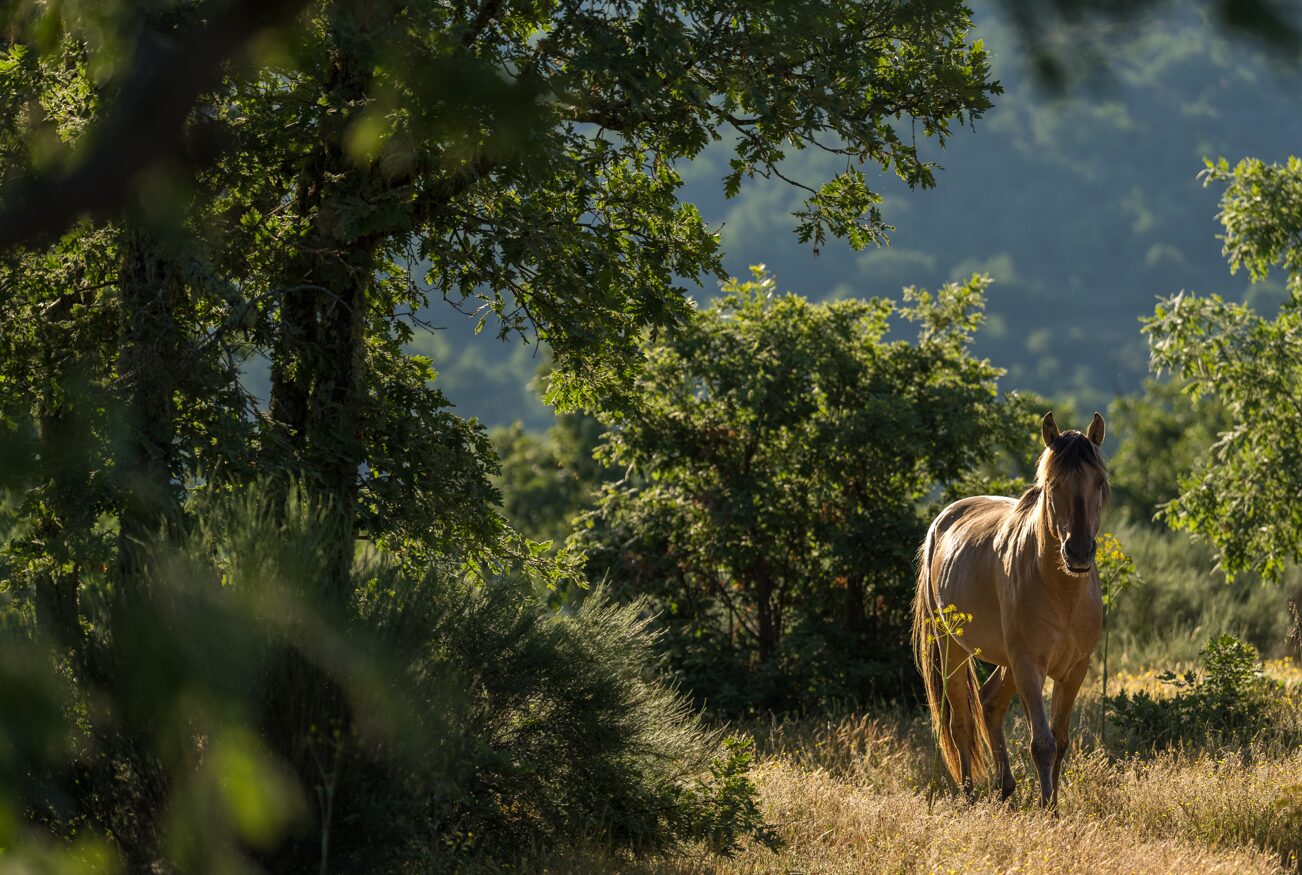
Since the start of its management, Vale Carapito has served as a demonstration site for ecological restoration on a smaller scale, an approach that has been replicated very successfully in other, larger rewilding areas. Key actions carried out include promoting the natural regeneration of vegetation, restoring riparian habitats, creating and expanding pools for amphibians and other species dependent on water bodies, introducing Sorraia horses to restore natural herbivory and grazing processes, continuously monitoring biodiversity, and eliminating extractive activities.
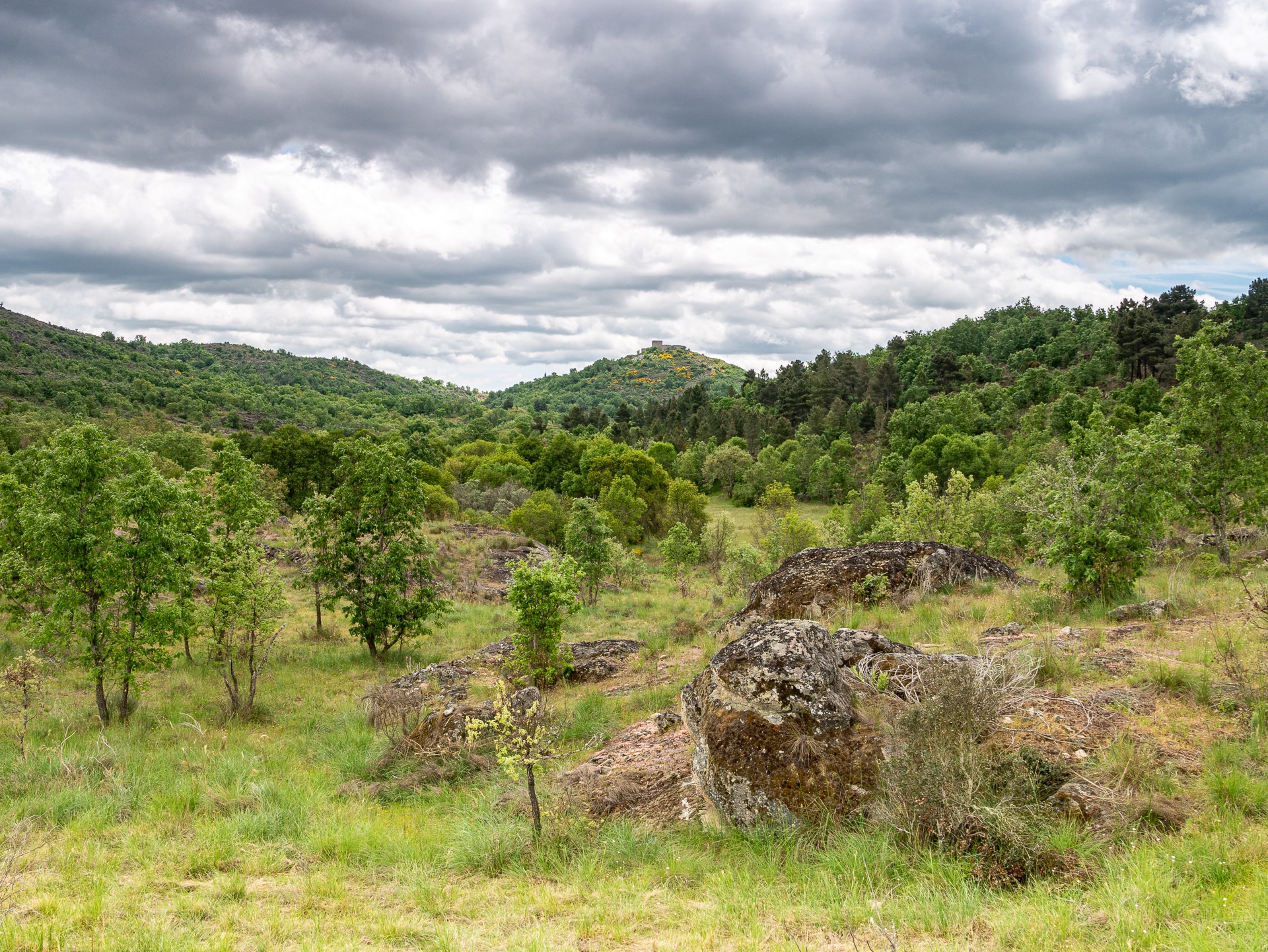
The results achieved are reflected in the high level of biological diversity already identified at the site. This rewilding area has records of hundreds of species, comprising 172 plants, 253 insects and 147 vertebrates, and including species of high conservation value such as the cinereous vulture, the red kite, the otter and several protected bat species.
More than simply protecting species and habitats, the work carried out in this area seeks to restore the ecological processes that underpin ecosystems. This is one of the central principles of rewilding: giving space back to nature so that it can regain its capacity for self-regulation, making landscapes better able to respond to climate change, wildfires and biodiversity loss.
The designation of Vale Carapito as a Private Protected Area also marks an important milestone for rewilding in Portugal. Whilst this status strengthens the area’s legal protection and ensures the continued fulfilment of its conservation objectives, it also demonstrates how the rewilding approach can contribute to national nature conservation objectives, complementing traditional models of protected area management.
“The classification of Vale Carapito as a Private Protected Area demonstrates that rewilding is establishing itself as a credible and effective tool for the recovery of nature in Portugal,” says Pedro Prata, Executive Director of Rewilding Portugal. “This recognition naturally gives us great satisfaction, but it also reinforces our ambition. We want more rewilding areas to follow this path, increasing the total area under protection and undergoing ecological restoration. Against the backdrop of the biodiversity crisis, we need more spaces where nature can reclaim its natural processes and thrive once more.”
For Rewilding Portugal, this designation represents a decisive step in a broader strategy to consolidate a network of key areas for the recovery of wildlife in the Greater Côa Valley. The organisation intends to move forward in the future with the recognition of other rewilding areas under the same status, thereby strengthening the role of private conservation in the protection and recovery of nature in Portugal.
The recognition of this area is particularly significant as it comes at a time when Private Protected Areas remain a relatively under-utilised concept in the country. As only the fifth PPA to be recognised at national level, this designation demonstrates the potential of this instrument to mobilise landowners, civil society organisations and nature investors towards biodiversity conservation and the restoration of degraded ecosystems.
This recognition represents a historic milestone not only for Vale Carapito, but also for the advancement of private conservation and rewilding in Portugal. For the designation to take legal effect, all that remains is for the management contract to be signed with the Institute for Nature Conservation and Forests (ICNF) and for it to be subsequently published in the Official Gazette.